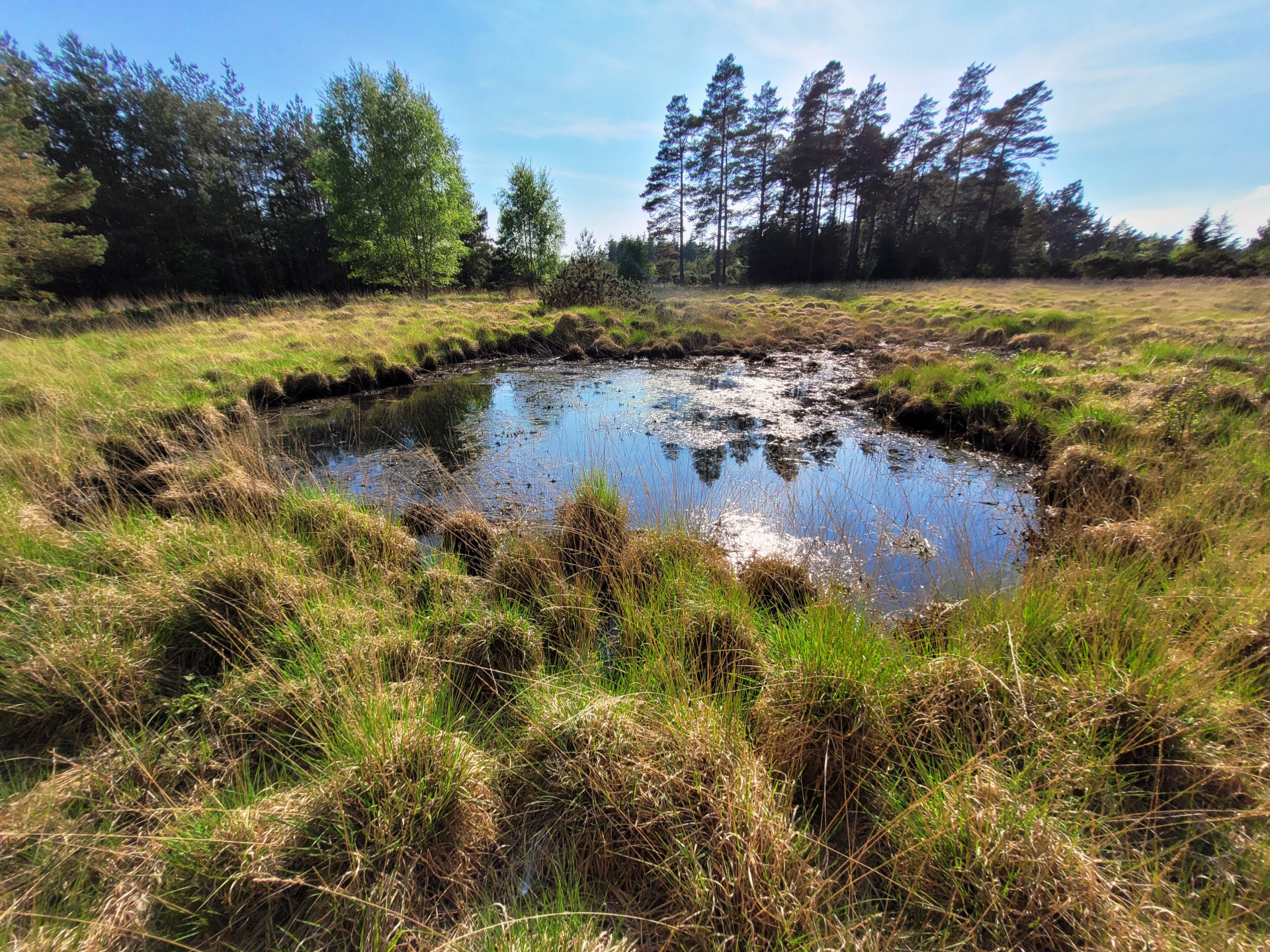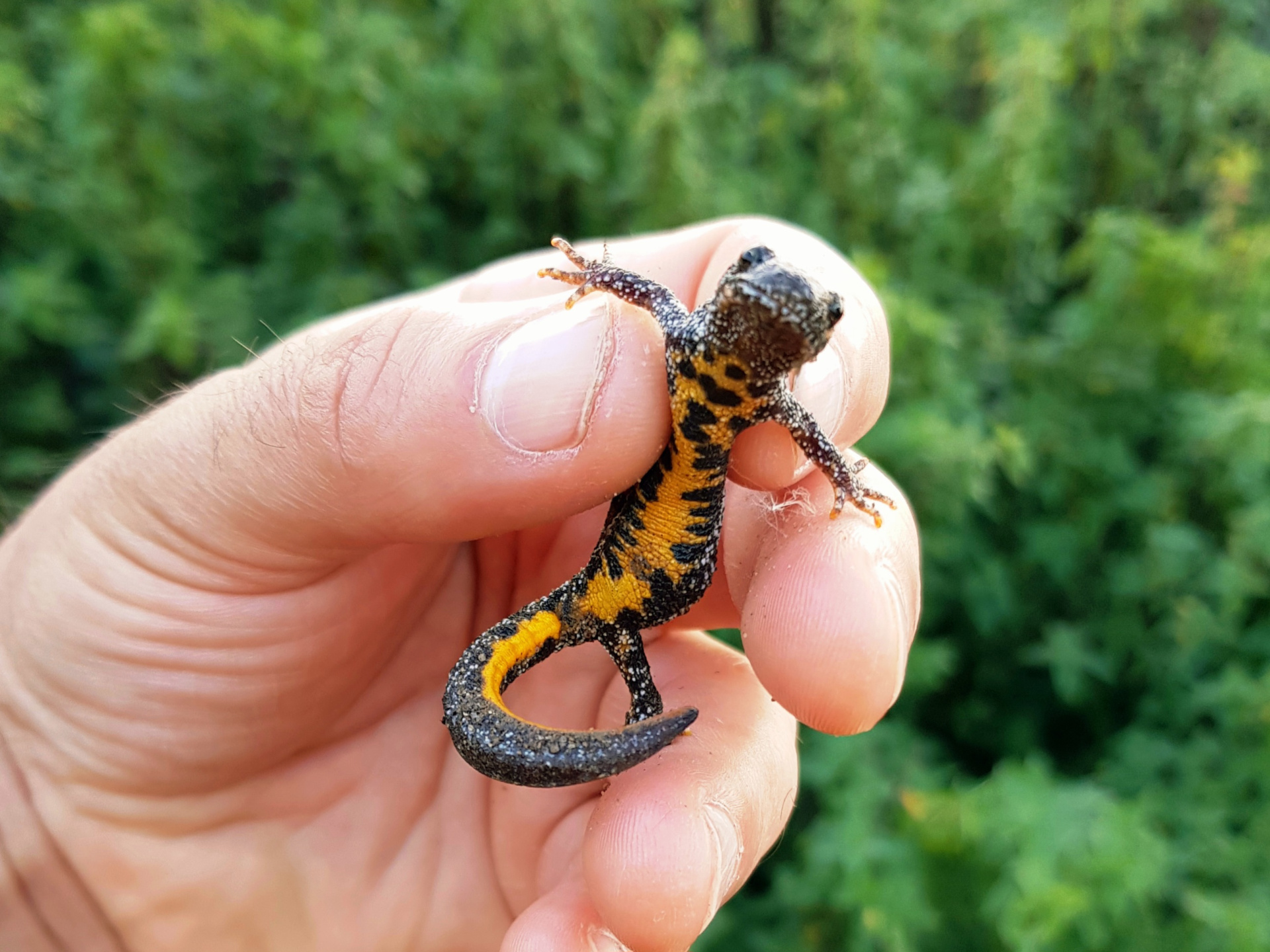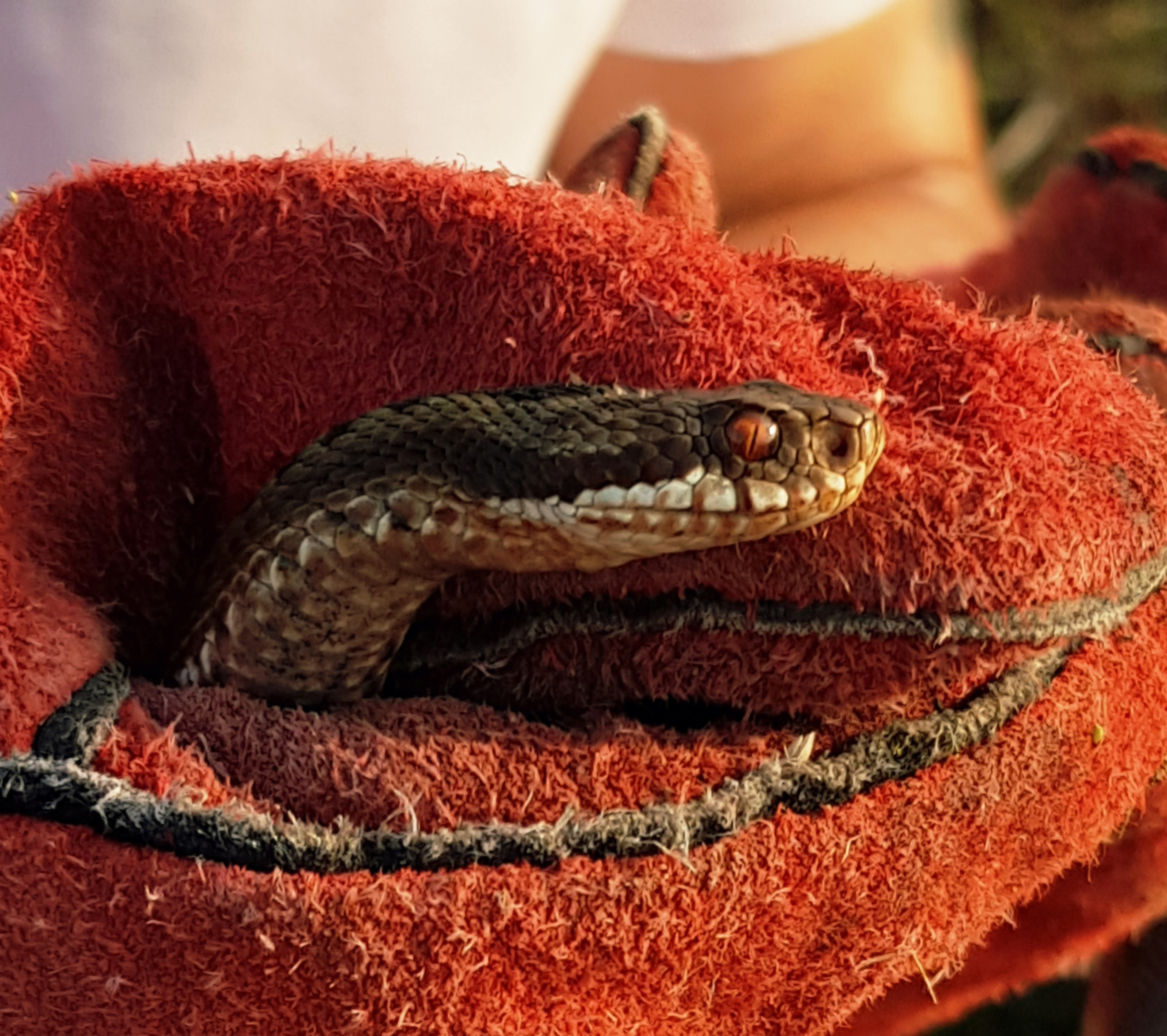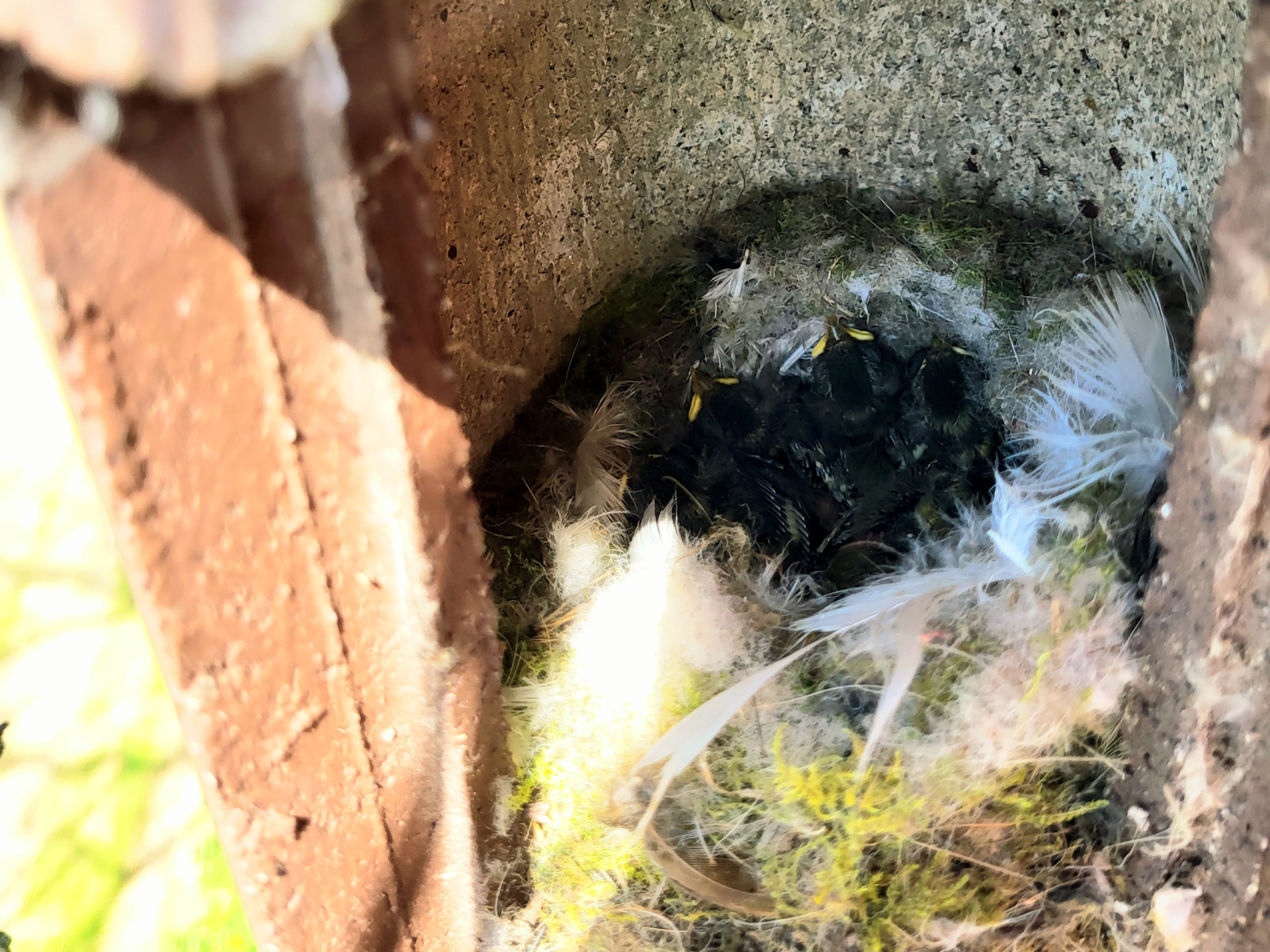
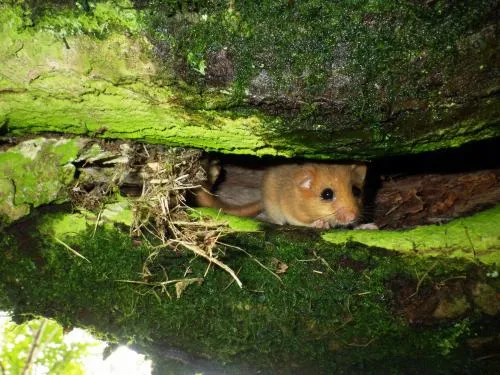
I happily perform surveys for great crested newts, reptiles, dormice and bats, and lots of other species too.
What Protected Species Survey and Licensing are and when you might need them
Protected species surveys determine whether legally protected wildlife may be present on a site. These surveys are most often performed to inform development designs and planning decisions, but I have also performed surveys to inform felling licences and also in advance of habitat management.
The scope of protected species surveys may be defined as part of a Preliminary Ecological Appraisal (PEA), but where a PEA has not taken place, a survey will start from first principles to ensure that the design is proportionate and relevant to the context. This means the performance of a desk-study and initial habitat assessment to predict the likely value of a site to the species. Thereafter, if the survey is clearly warranted, most surveys target a particular period of the year when the species is conspicuous by gathering in a specific situation to mate, or hibernate.
In other situations the habitat will dictate the timing. For example, an adder survey might target a suspected hibernation site in early spring and autumn, a lying-out / mating site in late spring and summer, and a hunting-ground in mid- to late summer. A survey at any other time would be pointless because even if the habitat was vital to the population, they would not be there to be found!
Depending on the circumstances, where a protected species is proven to be present and there is a reasonable likelihood that there is a risk of an offence, depending on the level of protection afforded to the species, either a mitigation strategy (as part of and Ecological Management Plan (EMP)) or a derogation Licence may be required before works can lawfully proceed.
A derogation Licence is a legal permission that allows work affecting protected species or their habitats to go ahead in certain circumstances, even though the species is protected by law. It is usually needed where there is a real risk that individuals of the species will be killed, injured or disturbed, or their habitat damaged to such an extent as for an individual colony or even population to be at risk of extinction.
To get a Licence, it must be proved that: a) there is a valid reason for the work; b) that there is no better alternative; c) that measures will be put in place to protect individuals of the species; and, d) that the colony or population will be better off in the longer term through the provision of new habitat that is larger and of better quality than what was present before, or the enhancement of existing habitat to achieve the same end.
How I approach Protected Species Surveys and Licensing
I begin with a thorough desk study using biological records, mapping, aerial imagery, and published ecological information to understand the history and suitability of the site for the target species. I then assess habitat quality to determine its likely function and this allows me to focus survey effort when, and where it is most likely to be effective.
My surveys are designed to be proportionate, targeted, and technically robust, using appropriate methods and equipment for the species involved.
Careful preparation, practical field experience, and close attention to ecological detail help ensure survey findings are reliable, defensible, and useful for project planning and licensing.
My specialist skills and experience for Protected Species Surveys and Licensing
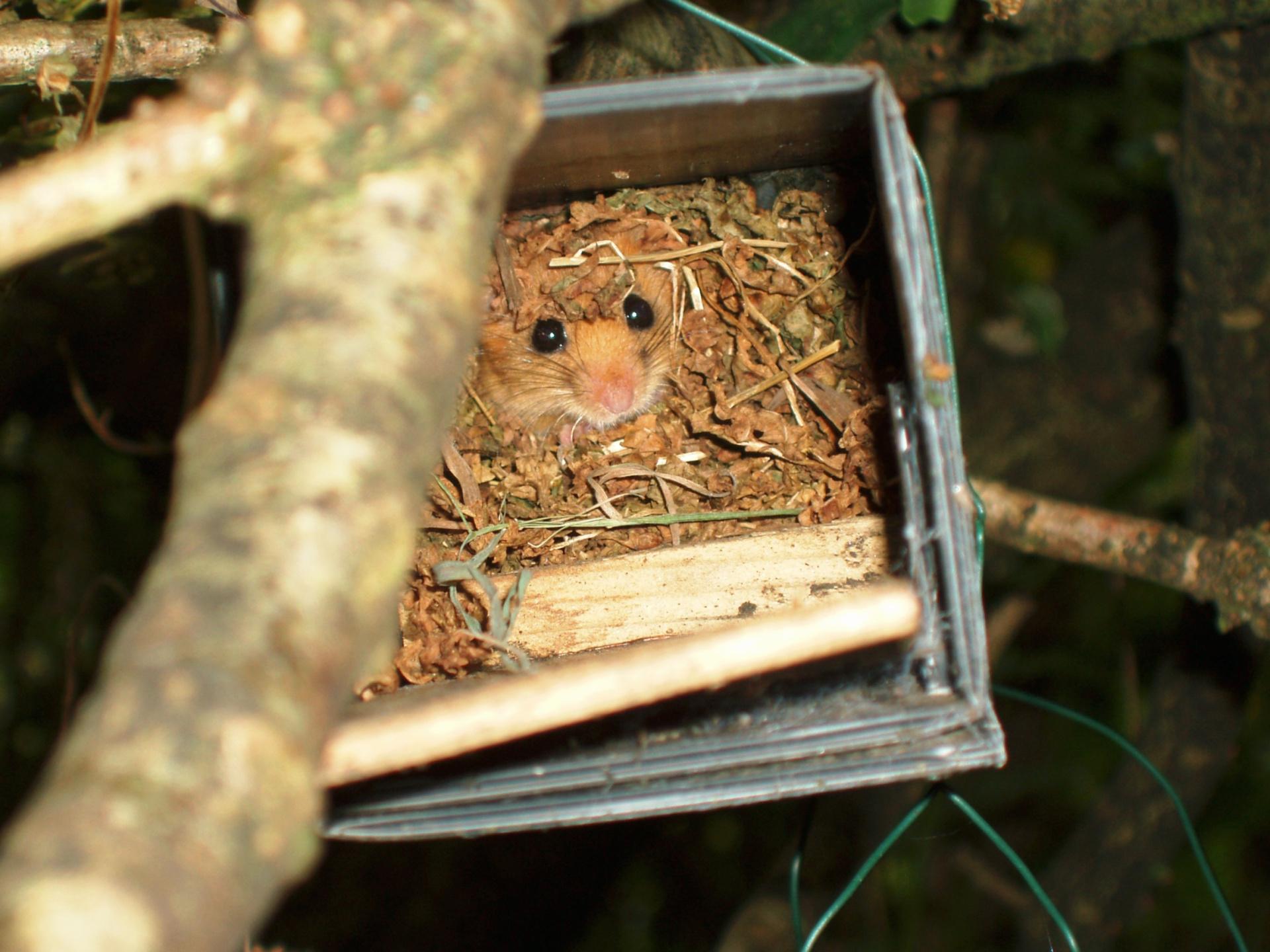
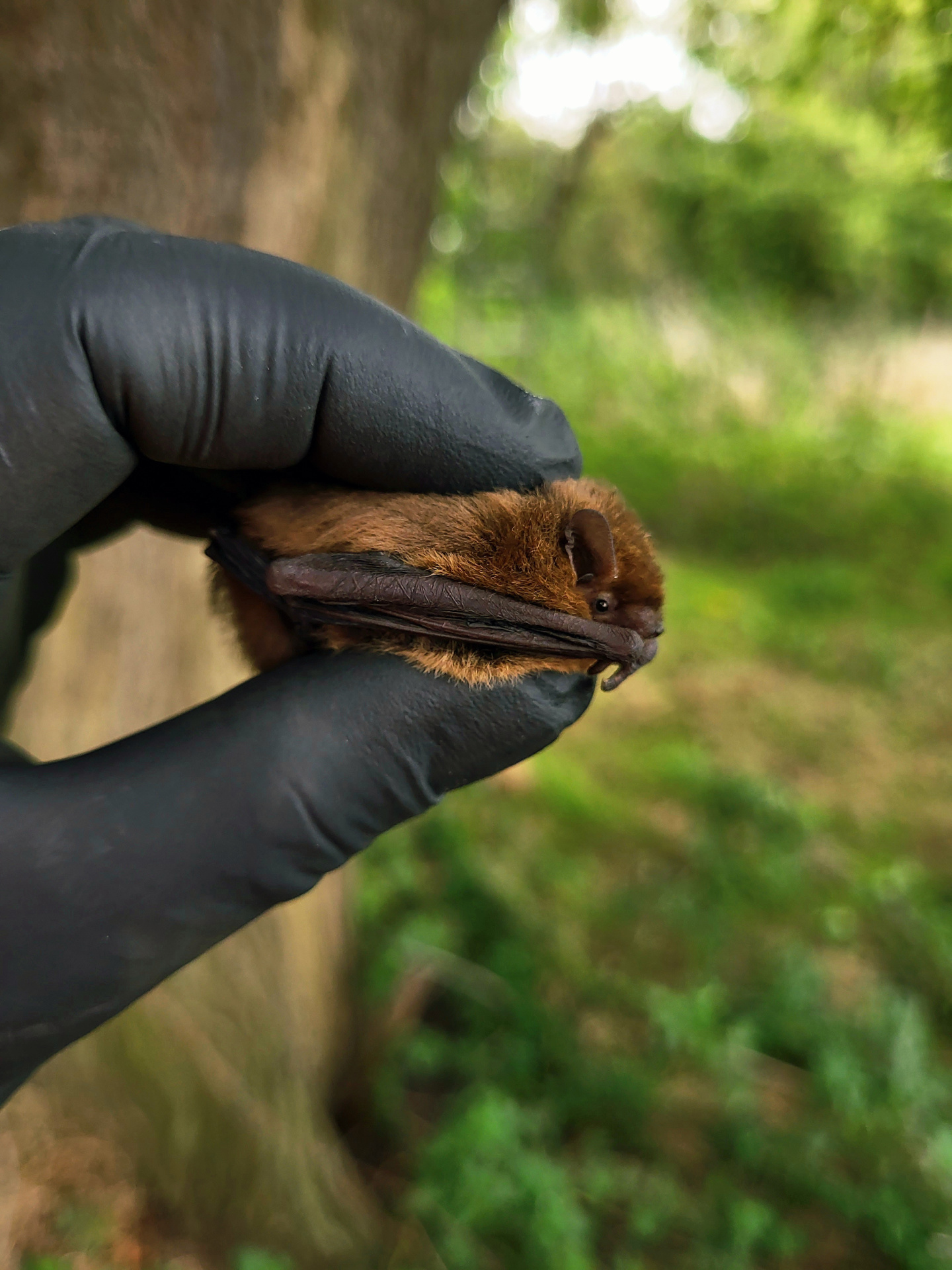
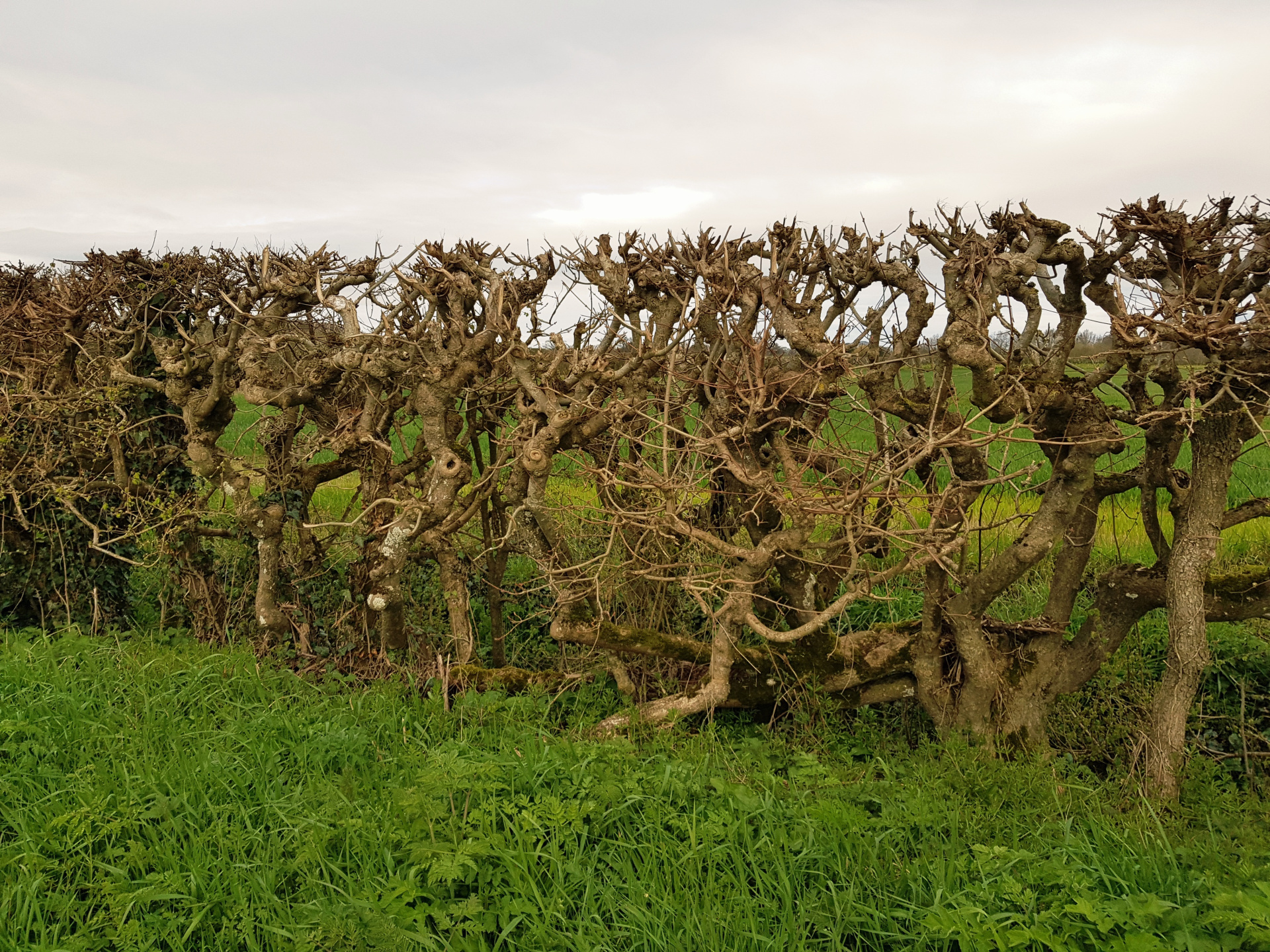
I regularly undertake surveys for: Schedule 8 and 9 plants; 1) great crested newts (under Natural England Licence); 2) reptiles (including sand lizard and smooth snake under Natural England Licence); 3) birds (including peregrine and barn owl); 4) bats (including Preliminary bat Roost Assessments (PRA), tree climbing, and subterranean situations under Natural England & Natural Resources Wales Licences); 5) dormice (under Natural England & Natural Resources Wales Licences); as well as a range of other species, including otter (including transect and kayak), water vole, badgers and S41 Species of Principal Importance.
My competence for producing mitigation strategies in Ecological Management Plans (EMP) is described on another page, but I have a proven track record in delivering derogation Licences for:
- Jersey cudweed;
- Great crested newts (including the use of all four of the DEFRA Licencing Policies in simple, phased and multi-plot developments);
- Bats (trees, domestic (including stately homes) and agricultural structures);
- Dormice; and
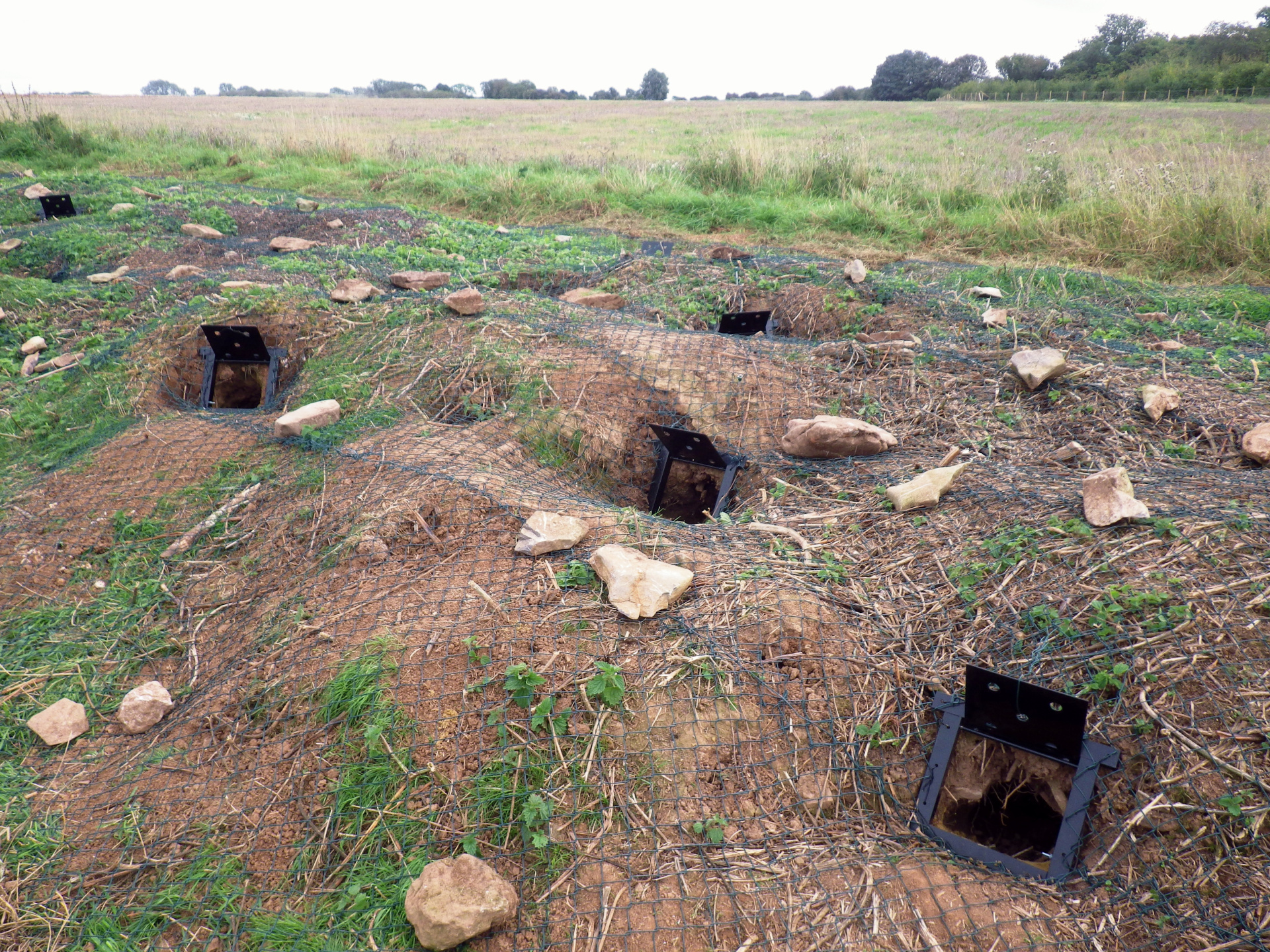
- Badgers (including sett closure following the provision of artificial setts).
Furthermore, following extensive literature reviews and using my own data I have designed compensation that delivers the ‘goldilocks-zone’ occupied by the species concerned, resulting in positive PR for my clients. One example would be the great crested newt pond design which may be found on the resources page of this website. Another would be the Bat Prey Species Associations (BPSA) report, that informs the habitat structure and species composition of quarry restoration schemes to benefit specific bat species.
How my Protected Species Survey and Licensing information is presented
I write my reports to present the data in an accessible narrative that suits the context of your project; e.g., if the survey is to inform a Licence, it is presented in the format of the Method Statement that informs the licence.
I also make the report accessible, functional and useful. The aim is to make the narrative: a) engaging, colourful and interesting; b) functional as an informative account; and, c) useful as a set of instructions.
In accordance with my Chartered status and protected species licences, protected species records are submitted where appropriate to the relevant Local Environmental Records Centre and to Natural England or Natural Resources Wales. This means that the survey data have a value beyond the life of a single project.